





If your shower has lost its pressure or the water is spraying in odd directions, limescale is almost certainly the culprit. It’s one of the most common household problems in the UK, particularly in hard water areas — and it’s surprisingly easy to fix once you know how. This guide covers what causes limescale, the most effective removal methods, and how to prevent it from building up again.
What Causes Limescale on Shower Heads?
Limescale is a hard, chalky deposit made up primarily of calcium carbonate. It forms when hard water — water with a high mineral content — is heated or evaporates, leaving those minerals behind on surfaces.
In the UK, around 60% of homes are in hard water areas, particularly in the South East, East Anglia, and the Midlands. If you live in one of these areas, limescale build-up on shower heads, taps, and kettles is an inevitable part of life.
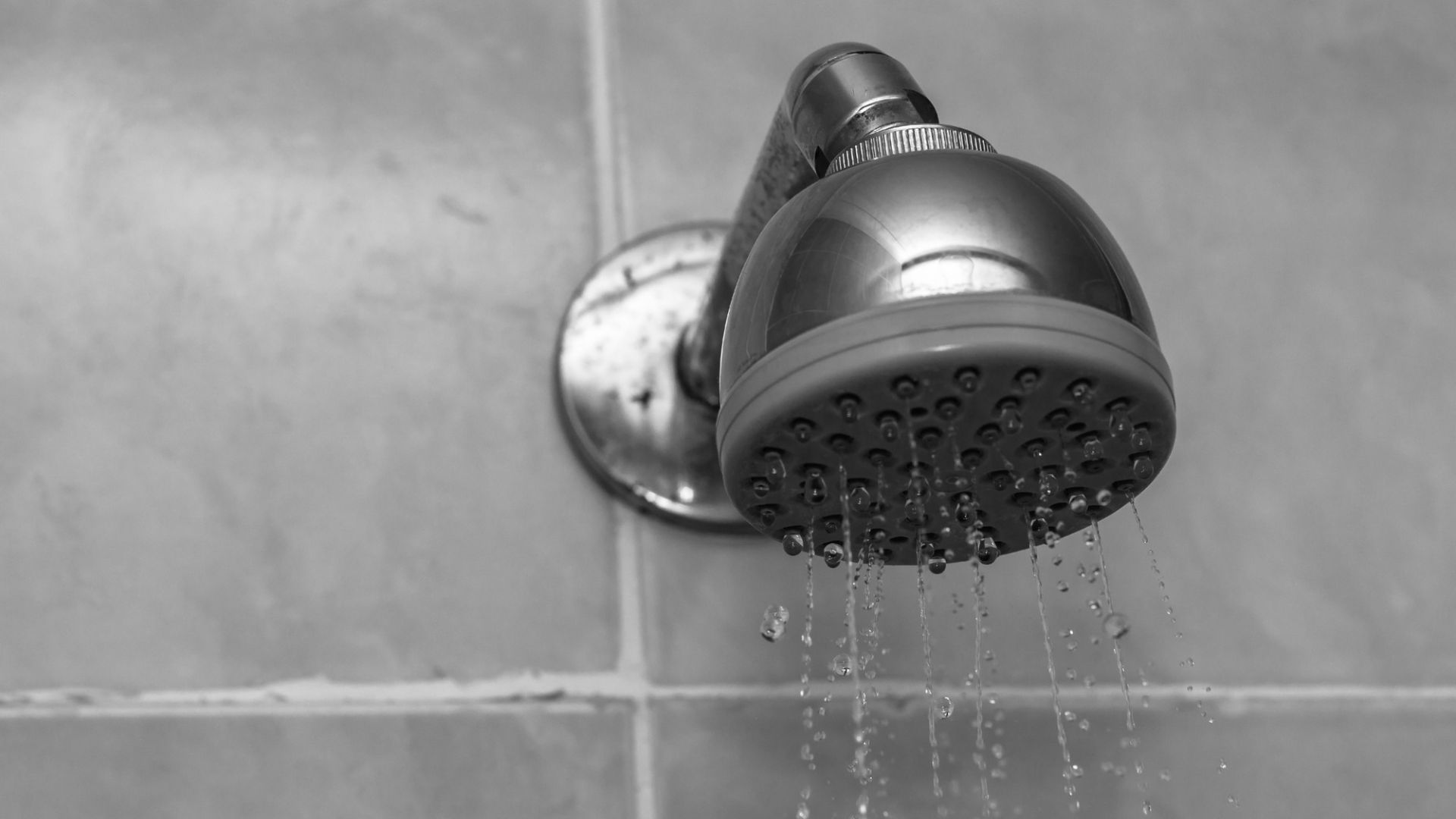
Over time, limescale blocks the small nozzles on your shower head, reducing water pressure and causing uneven spray patterns. Left untreated, it can permanently damage the shower head and the internal components.
Method 1: The White Vinegar Soak (Best for Regular Maintenance)
White vinegar is mildly acidic, which makes it highly effective at dissolving limescale without damaging most shower head materials. It’s also cheap, widely available, and non-toxic.
What You’ll Need
- White vinegar
- A plastic bag (large enough to fit over the shower head)
- An elastic band or cable tie
- An old toothbrush
- Warm water
How to Do It
- Fill the plastic bag with enough white vinegar to fully submerge the shower head nozzles
- Place the bag over the shower head so the nozzles are immersed in the vinegar
- Secure the bag tightly with an elastic band or cable tie
- Leave for at least 30 minutes — for heavy build-up, leave overnight
- Remove the bag and run the shower on hot for a minute to flush out loosened deposits
- Use an old toothbrush to scrub any remaining limescale from the nozzles
- Rinse thoroughly with clean water
Note: If your shower head is gold, brass, or has a special finish, check the manufacturer’s guidance before using vinegar — the acidity can damage some coatings.
Removing the Shower Head for a Deeper Soak
For a more thorough clean, remove the shower head entirely and soak it in a bowl of white vinegar for several hours or overnight. This allows the vinegar to reach all the internal components. Rinse well before reattaching.
Method 2: Commercial Descalers
If vinegar isn’t shifting stubborn limescale, a commercial descaler will be more powerful. Products like Viakal, HG Limescale Remover, or Cillit Bang Limescale & Shine are formulated specifically for this purpose.
How to Use
- Apply the descaler directly to the shower head nozzles or spray onto the surface
- Leave for the time specified on the product label — usually 5–30 minutes
- Scrub with an old toothbrush to loosen deposits
- Rinse thoroughly with clean water
Important: Always wear gloves when using commercial descalers and ensure the bathroom is well ventilated. Never mix descalers with bleach or other cleaning products.
Method 3: Bicarbonate of Soda and Vinegar Paste
For surface limescale on the outside of the shower head, a paste made from bicarbonate of soda and white vinegar can be effective.
- Mix bicarbonate of soda with enough white vinegar to form a thick paste
- Apply to the affected areas and leave for 15–20 minutes
- Scrub with a soft brush and rinse clean
This method is gentler than commercial descalers and works well for light to moderate build-up.
How to Prevent Limescale Build-Up
Removing limescale is satisfying, but preventing it from building up in the first place is even better. Here are some practical steps:
Wipe Down After Every Shower
A quick wipe of the shower head and surrounding tiles with a dry cloth after each use removes water droplets before they can evaporate and leave mineral deposits. It takes less than a minute and makes a significant difference.
Regular Vinegar Soaks
A monthly vinegar soak (even just 30 minutes) will prevent limescale from accumulating to the point where it becomes a problem.
Install a Water Softener
If you live in a hard water area and limescale is a persistent issue throughout your home — not just in the shower — a whole-house water softener is worth considering. It treats the water at the point of entry, reducing mineral content throughout your plumbing system.
Use a Shower Head Filter
Inline shower head filters can reduce the mineral content of the water reaching your shower head. They’re less comprehensive than a full water softener but are a more affordable option.
Spray with Vinegar Weekly
Keep a small spray bottle of diluted white vinegar in the bathroom. A quick spray on the shower head once a week, left for a few minutes before rinsing, will keep limescale at bay with minimal effort.
When to Replace Your Shower Head
Sometimes limescale damage is too extensive to reverse with cleaning alone. Consider replacing your shower head if:
- Water pressure remains poor even after thorough descaling
- Several nozzles are permanently blocked or damaged
- The internal components are corroded
- The shower head is cracked or leaking at the connection point
Modern shower heads are relatively inexpensive, and replacing an old, limescale-damaged one can make a noticeable difference to your shower experience.
Keeping the Rest of Your Bathroom Limescale-Free
Limescale doesn’t stop at the shower head — it also builds up on taps, tiles, shower screens, and bath surfaces. The same vinegar-based methods work well across all of these.
For a thorough bathroom clean that tackles limescale, soap scum, and general grime, a professional home cleaning service can restore your bathroom to a high standard. If you’re dealing with heavy build-up across multiple surfaces or need specialist treatment, specialist cleaning may be the most efficient solution.