








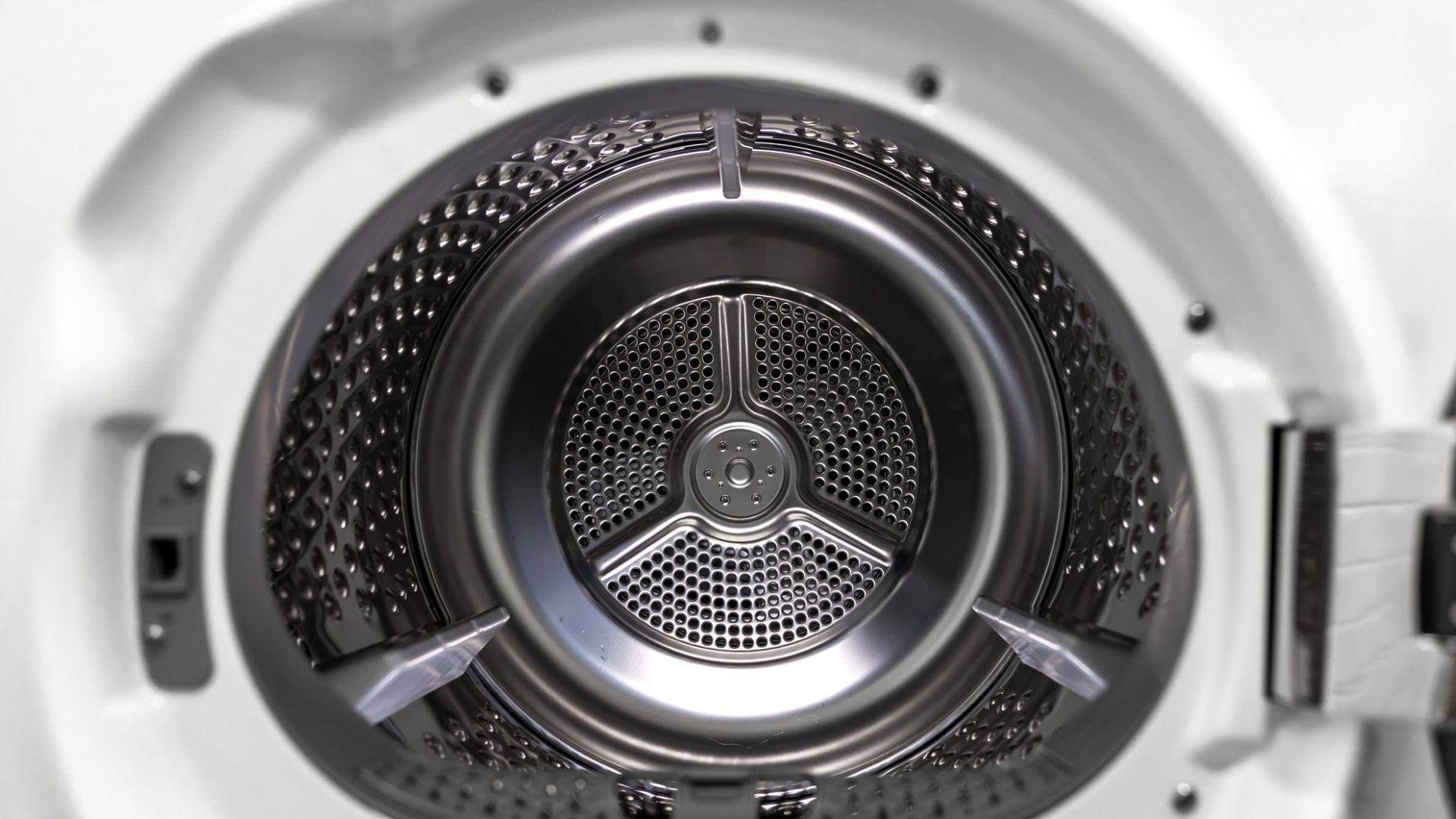
Your washing machine works hard — cycle after cycle, week after week. But whilst it cleans your clothes, it doesn’t clean itself. Over time, detergent residue, fabric softener, limescale, and moisture create the perfect conditions for mould, mildew, and unpleasant odours. Here’s how to clean a washing machine drum and seal properly, and why it matters more than most people realise.
Why Cleaning Your Washing Machine Matters
A dirty washing machine doesn’t just smell bad — it can actually make your laundry less clean. Bacteria and mould that build up inside the drum and rubber seal can transfer onto your clothes during a wash cycle. You might notice:
- A musty or sour smell on freshly washed clothes
- Black or grey residue on the drum or seal
- Visible mould on the rubber door gasket
- A general damp, unpleasant odour when you open the door
Modern washing machines — particularly front-loaders — are especially prone to this because the door seal creates a warm, damp environment that mould loves. Low-temperature washes (30°C) are energy-efficient but don’t kill bacteria the way hotter cycles do, which compounds the problem over time.
Running a Drum Cleaning Cycle
Most modern washing machines have a dedicated drum clean or maintenance cycle. If yours does, use it monthly. If not, a hot empty wash achieves a similar result.
Method 1: Washing Machine Cleaner Tablet or Powder
- Place a washing machine cleaner (such as Dettol Washing Machine Cleaner or Dr. Beckmann Service-it) in the drum — not the drawer
- Run the hottest cycle available (usually 60°C or 90°C)
- Once finished, wipe the drum dry with a clean cloth
Method 2: Bicarbonate of Soda and White Vinegar
- Add 500ml of white vinegar to the detergent drawer
- Sprinkle 100g of bicarbonate of soda directly into the drum
- Run a hot cycle (60°C minimum)
- Leave the door open afterwards to air dry
This combination helps dissolve limescale, neutralise odours, and break down detergent residue. It’s a cost-effective alternative to proprietary cleaners.
Cleaning the Rubber Door Seal
The rubber gasket around the door is the most common place for mould to develop. It folds back on itself, trapping moisture, lint, and detergent — and it’s easy to overlook during regular cleaning.
What you’ll need:
- Rubber gloves
- An old toothbrush or small scrubbing brush
- A solution of equal parts white vinegar and warm water, or a diluted bleach solution (1 part bleach to 4 parts water)
- Microfibre cloths
Steps:
- Pull back the rubber seal and inspect the fold — this is where mould typically hides
- Remove any visible debris, lint, or foreign objects (coins, tissues, etc.)
- Apply your cleaning solution to the seal using a cloth or spray bottle
- Scrub with the toothbrush, paying particular attention to mouldy areas
- Wipe clean with a damp cloth, then dry thoroughly
- For stubborn mould, apply a bleach solution, leave for 5 minutes, then scrub and rinse
Important: Never mix bleach with vinegar — use one or the other, not both.
Cleaning the Detergent Drawer
The detergent drawer is another hotspot for mould and residue build-up. It’s easy to remove and clean:
- Pull the drawer out fully (most have a release tab — check your manual)
- Soak in warm soapy water for 10–15 minutes
- Scrub with a brush to remove any caked-on detergent or mould
- Rinse thoroughly and dry before replacing
- While the drawer is out, clean inside the drawer housing with a damp cloth and toothbrush
Maintenance Schedule
Keeping your washing machine clean doesn’t require a lot of effort — just consistency. Here’s a simple schedule to follow:
- After every wash: Leave the door and drawer slightly open to allow air circulation and prevent moisture build-up
- Weekly: Wipe down the door seal with a dry cloth
- Monthly: Run a drum clean cycle; clean the detergent drawer
- Every 3 months: Deep clean the rubber seal; check and clean the filter (usually located at the bottom front of the machine)
Tips to Prevent Build-Up
- Use the correct amount of detergent — too much leaves residue that feeds mould
- Switch to liquid detergent if you use powder, as powder can clump in the drawer
- Run a 60°C wash at least once a week to kill bacteria
- Avoid leaving wet laundry sitting in the drum for extended periods
When to Call in Help
If your machine has a persistent odour despite regular cleaning, or if mould has spread beyond the seal into the drum or internal components, it may be time to get professional help. AKTE’s home cleaning services can assist with appliance cleaning as part of a broader deep clean — ideal if you’re moving home, preparing a property for rental, or simply want a thorough reset.
Cleaning your washing machine is one of those tasks that’s easy to put off — until the smell becomes impossible to ignore. A monthly drum clean and a quick wipe of the seal after each wash is all it takes to keep things fresh. Your clothes will thank you for it.