






Moving into a rental property is an exciting milestone, but it can also come with a few unwelcome surprises. Even if the previous tenants left the property in reasonable condition, there is often a layer of hidden grime, dust, and bacteria that only a thorough deep clean can address. Knowing how to deep clean a rental property before moving in ensures you start fresh in a hygienic, comfortable space that truly feels like home.
Why You Should Deep Clean Before Moving In
Landlords and letting agents typically arrange for a basic clean between tenancies, but this does not always meet the standards you would expect for your own living space. Dust accumulates in hard-to-reach corners, kitchen appliances harbour grease, and bathrooms can retain limescale and mould. A deep clean before you unpack gives you peace of mind and allows you to identify any existing damage or maintenance issues before they become your responsibility.
It is also far easier to clean an empty property. Without furniture and belongings in the way, you can access every surface, corner, and fixture with ease. This is your best opportunity to ensure the property is spotless from top to bottom.
Essential Supplies You Will Need
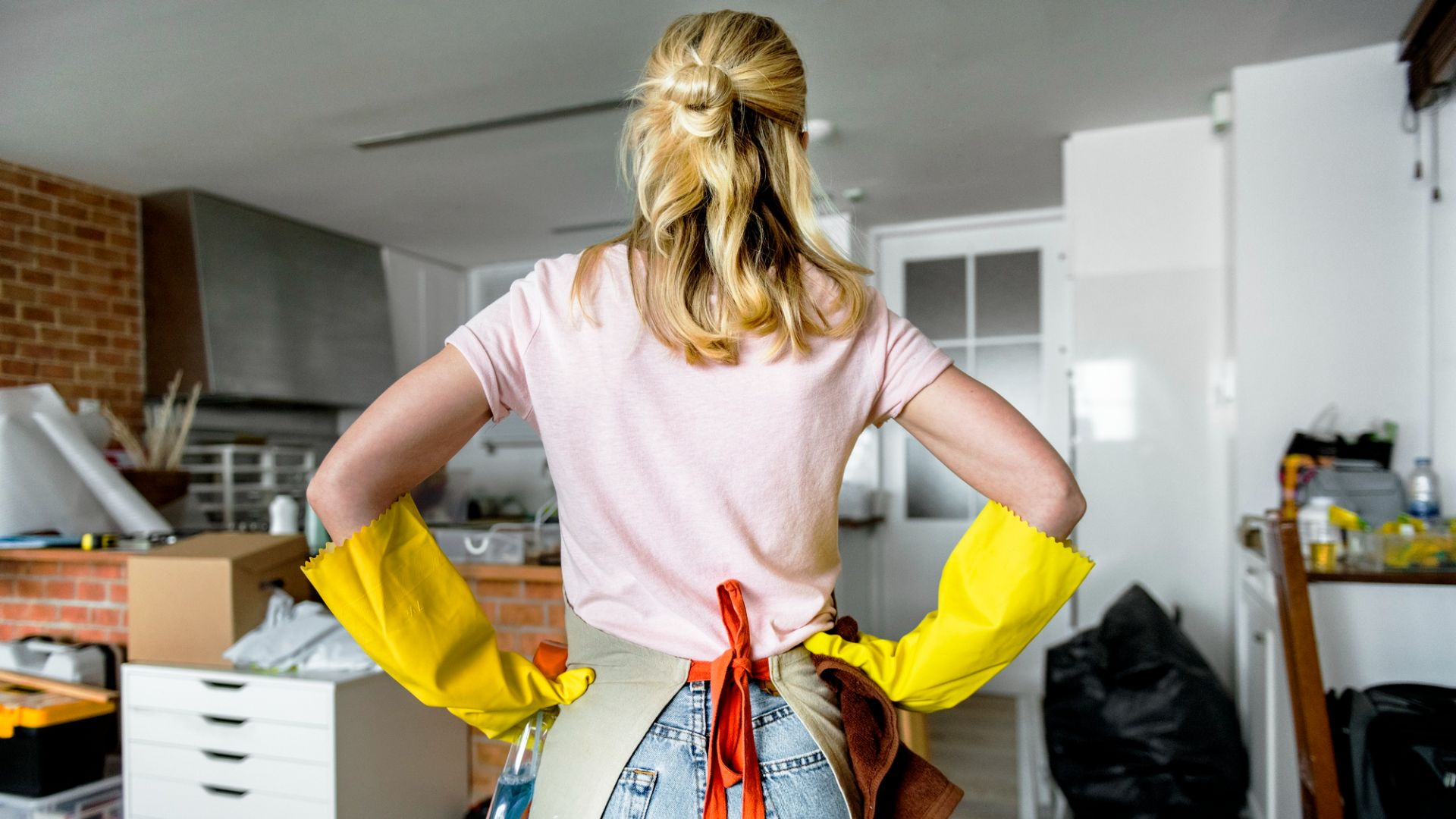
Before you begin, gather the following cleaning supplies so you can work efficiently without interruption:
- Rubber gloves and protective eyewear
- All-purpose cleaner and antibacterial spray
- White vinegar and bicarbonate of soda
- Glass cleaner
- Oven cleaner
- Limescale remover
- Microfibre cloths and sponges
- A scrubing brush and old toothbrush for grout
- A mop, bucket, and vacuum cleaner
- Bin bags for any rubbish left behind
A Room-by-Room Deep Cleaning Guide
Kitchen
The kitchen is often the most labour-intensive room to deep clean. Start with the oven, as oven cleaner needs time to work. Spray the interior generously and leave it whilst you tackle other areas. Remove and soak oven racks in hot soapy water.
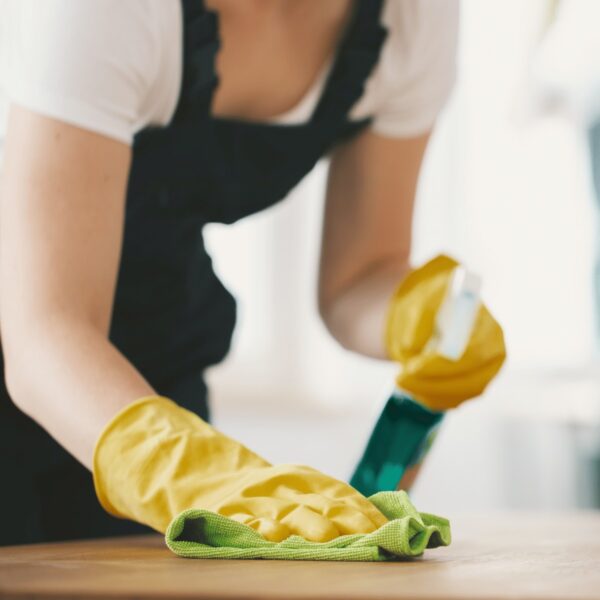
Wipe down all cupboards inside and out, paying attention to handles where grease and grime build up. Clean the hob, extractor fan, and any filters. Pull the fridge away from the wall to clean behind and beneath it, then sanitise the interior shelves and drawers. Run an empty cycle on the dishwasher and washing machine with white vinegar to eliminate odours and bacteria.
Finish by cleaning the sink with bicarbonate of soda, wiping down worktops with antibacterial spray, and mopping the floor.
Bathroom
Bathrooms require particular attention due to moisture and the potential for mould growth. Apply limescale remover to taps, showerheads, and around plug holes. Scrub tile grout with a paste of bicarbonate of soda and water using an old toothbrush. Check the sealant around the bath and shower for signs of black mould, and treat it with a specialist mould remover.
Clean the toilet thoroughly, including behind the seat and around the base. Wipe down the mirror, any cabinets, and the extractor fan. Mop the floor with a disinfectant solution, ensuring you reach behind the toilet and under any freestanding units.
Bedrooms and Living Areas
Start from the top and work downwards. Dust light fittings, ceiling corners, and the tops of door frames. Wipe down windowsills, skirting boards, and radiators. If the property has carpets, vacuum thoroughly and consider hiring a carpet cleaner or steam cleaner to remove deep-set dirt and allergens. For hard floors, sweep and then mop with an appropriate cleaning solution.
Check inside wardrobes and storage cupboards, wiping shelves and vacuuming the base. Clean all light switches and door handles with antibacterial wipes, as these are high-touch areas that often get overlooked.
Windows and Doors
Clean windows inside and out if accessible. Use glass cleaner and a lint-free cloth for a streak-free finish. Wipe down window frames and tracks, where dust and dead insects tend to collect. Clean the front and back doors, including letterboxes and handles.
Often Overlooked Areas
A truly thorough deep clean covers the spots that most people miss. Make sure you address the following:
- Behind and underneath kitchen appliances
- Inside the oven, including the door glass
- Extractor fans and air vents
- The tops of kitchen cabinets
- Skirting boards and architraves
- Light switches, plug sockets, and door handles
- Curtain rails and blinds
- Airing cupboards and boiler cupboards
How Long Does a Deep Clean Take?
The time required depends on the size of the property and its current condition. As a general guide, a one-bedroom flat may take four to six hours, whilst a three-bedroom house could take a full day or more. If you are working alone, it is wise to spread the work over two sessions to avoid fatigue and ensure you do not cut corners.
When to Consider Professional Help
Deep cleaning an entire property is physically demanding and time-consuming. If you are short on time, dealing with a particularly neglected property, or simply want the assurance that every surface has been professionally sanitised, hiring a specialist cleaning service is a worthwhile investment.
For tenants moving into properties in and around Cambridge, Akte Cleaning offers comprehensive move-in cleaning services tailored to rental properties. Their experienced team uses professional-grade equipment and eco-friendly products to deliver results that go beyond what most people can achieve with household supplies alone. This can be especially valuable if you want to document the property’s condition at the start of your tenancy.
Final Tips for a Fresh Start
Once your deep clean is complete, take photographs of every room. These serve as evidence of the property’s condition when you moved in and can protect your deposit at the end of your tenancy. Open windows to air out the property and allow surfaces to dry fully before you begin unpacking.
Establishing a regular cleaning routine from day one will help maintain the standard you have set. A little effort each week prevents the build-up of grime and makes your eventual move-out clean far less daunting.
Whether you choose to tackle the job yourself or enlist professional support, deep cleaning your rental property before moving in is one of the best ways to ensure a healthy, welcoming home from the very first day.