





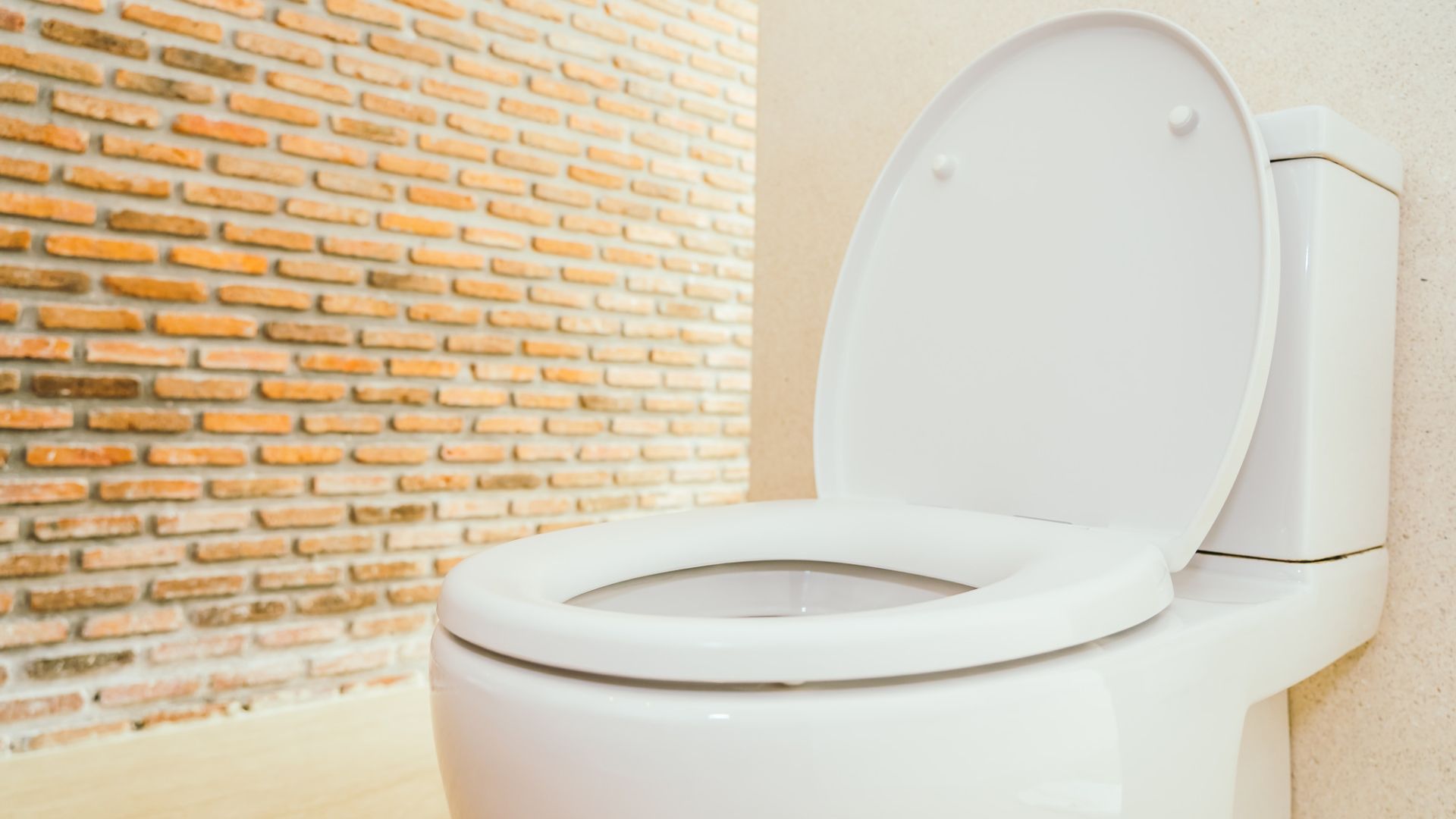
Limescale in a toilet bowl is one of those stubborn household problems that seems to resist every effort. That chalky, brownish ring around the waterline or the crusty build-up under the rim can make even a clean bathroom look neglected. The good news is that you do not need to scrub yourself into exhaustion to get rid of it. With the right approach, you can remove limescale from a toilet bowl without scrubbing — and keep it from coming back.
What Causes Limescale in a Toilet Bowl?
Limescale is caused by hard water — water that contains high concentrations of dissolved minerals, primarily calcium and magnesium. When hard water sits in your toilet bowl or evaporates, it leaves these minerals behind as a white, grey, or brownish deposit.
The UK has some of the hardest water in Europe, particularly in the South East and East of England, which means limescale is a very common problem in British homes. The longer deposits are left untreated, the harder they become to remove.
Method 1: White Vinegar Overnight Soak
White vinegar is mildly acidic, which makes it highly effective at dissolving calcium and mineral deposits without damaging your toilet bowl.
How to do it:
- Pour 500ml to 1 litre of undiluted white vinegar directly into the toilet bowl.
- For the area under the rim, soak strips of toilet paper in vinegar and press them against the affected areas.
- Leave overnight — ideally for 8 to 12 hours.
- In the morning, flush the toilet. The limescale should have softened significantly or dissolved entirely.
- If any residue remains, a light wipe with a cloth or toilet brush should remove it with minimal effort.
This method works best for moderate limescale build-up and is completely safe for septic tanks and standard plumbing.
Method 2: Citric Acid Treatment
Citric acid is a stronger natural acid than vinegar and is particularly effective on heavy limescale deposits.
How to do it:
- Purchase food-grade citric acid powder (widely available in supermarkets and online).
- Dissolve 2 to 3 tablespoons in 500ml of warm water.
- Pour the solution into the toilet bowl, ensuring it coats the affected areas.
- Leave for 2 to 4 hours, or overnight for severe build-up.
- Flush to rinse. Repeat if necessary.
Citric acid is biodegradable and environmentally friendly, making it a popular choice for eco-conscious households.
Method 3: Commercial Limescale Removers
If natural methods are not shifting particularly stubborn deposits, a commercial limescale remover may be the answer. Products containing hydrochloric acid or phosphoric acid are highly effective but should be used with care.
Tips for using commercial products:
- Always read the label and follow the manufacturer’s instructions.
- Wear rubber gloves and ensure the bathroom is well ventilated.
- Never mix limescale removers with bleach or other cleaning products — this can produce toxic fumes.
- Apply the product under the rim and around the bowl, leave for the recommended time, then flush.
- Popular UK products include Harpic Power Plus, Viakal, and Kilrock.
For particularly severe or long-standing limescale that has not responded to home treatments, it may be worth calling in professional help. Our specialised cleaning team has the tools and expertise to tackle even the most stubborn build-up.
Tackling Limescale Under the Rim
The area under the toilet rim is often the worst affected and the hardest to reach. Here are a few targeted approaches:
- Soak strips of kitchen roll or toilet paper in vinegar or citric acid solution and press them firmly under the rim. Leave for several hours.
- Use a spray bottle to apply your chosen solution directly under the rim.
- A small, angled brush can help apply product and remove loosened deposits without heavy scrubbing.
Prevention Tips: Keeping Limescale at Bay
Once you have removed the limescale, a little regular maintenance will prevent it from returning quickly.
- Weekly vinegar flush: Pour a cup of white vinegar into the bowl once a week and leave it for 30 minutes before flushing. This prevents mineral build-up from taking hold.
- In-cistern tablets: Limescale-prevention tablets placed in the cistern release descaling agents with every flush.
- Water softener: If limescale is a persistent problem throughout your home, a whole-house water softener is a long-term solution worth considering.
- Regular cleaning: A quick clean every week is far easier than tackling months of build-up.
What About Bleach?
Many people reach for bleach when they see a stained toilet, but bleach does not remove limescale. It may whiten the surface temporarily, but it does not dissolve mineral deposits. In fact, using bleach on top of limescale can make the deposits harder to remove over time. Stick to acidic solutions for limescale, and use bleach separately for disinfection if needed — never mix the two.
When to Call the Professionals
If limescale has been building up for years, or if it has spread to other bathroom fixtures such as taps, showerheads, and tiles, a professional clean may be the most efficient solution. Our specialised cleaning service and home cleaning team in Cambridge can restore your bathroom to a sparkling standard, tackling limescale and other stubborn deposits with professional-grade products and techniques.
Summary
Removing limescale from a toilet bowl without scrubbing is entirely achievable with the right products and a little patience. White vinegar and citric acid are your best natural allies, whilst commercial descalers handle the toughest cases. Combine treatment with a simple prevention routine, and you will spend far less time worrying about that stubborn ring around the bowl.