






Spotting a silverfish darting across your bathroom floor at night is enough to make anyone uneasy. These small, silvery insects are harmless to humans, but their presence is a sign that conditions in your bathroom are ideal for them — and left unchecked, they can become a persistent nuisance. The good news is that getting rid of silverfish is very achievable with the right combination of environmental changes and targeted treatments.
What Are Silverfish?
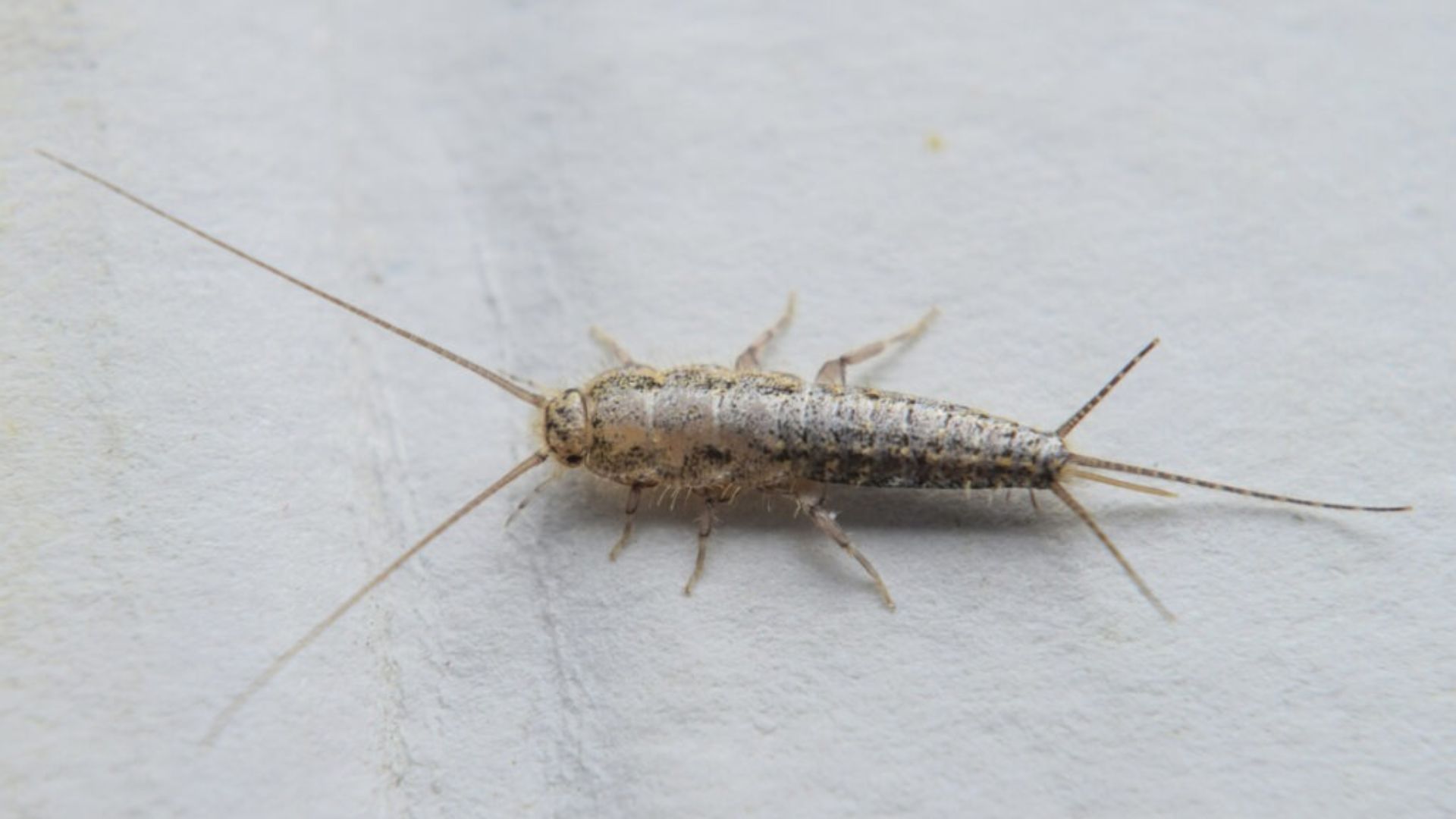
Silverfish (Lepisma saccharina) are small, wingless insects typically 12–19mm in length. They have a distinctive teardrop shape, silvery-grey scales, and three tail-like appendages at the rear. They move in a rapid, fish-like wriggling motion — which is where they get their name.
Silverfish are nocturnal and prefer dark, damp environments. They feed on starchy materials including paper, cardboard, wallpaper paste, and even certain fabrics. Whilst they do not bite or transmit disease, they can damage books, wallpaper, and stored items over time.
Why Do Silverfish Appear in Bathrooms?
Bathrooms provide the perfect habitat for silverfish:
- High humidity: Silverfish thrive in environments with relative humidity above 75%. Bathrooms — especially poorly ventilated ones — are consistently damp.
- Warmth: They prefer temperatures between 21°C and 27°C, which is typical of a heated bathroom.
- Food sources: Soap residue, shampoo, dead skin cells, and even the paper labels on bottles provide sustenance.
- Dark hiding spots: Under the bath, behind the toilet, inside cupboards, and beneath loose flooring are all ideal shelters.
Step 1: Reduce Humidity
Tackling the root cause — excess moisture — is the single most effective long-term strategy.
- Use the extractor fan: Run it during and for at least 20 minutes after every shower or bath.
- Open windows: Where possible, allow fresh air to circulate after bathing.
- Fix leaks: Check under the sink, around the toilet base, and behind the bath panel for any slow leaks or drips.
- Use a dehumidifier: A small bathroom dehumidifier can make a significant difference in persistently damp rooms.
- Dry surfaces: Wipe down tiles and the shower screen after use to reduce standing moisture.
Step 2: Seal Entry Points
Silverfish can squeeze through surprisingly small gaps. Sealing these off reduces both entry and hiding spots.
- Seal gaps around pipes where they enter walls using silicone sealant.
- Fill cracks in skirting boards, tiles, and around the bath or shower tray.
- Check the bath panel — silverfish often shelter in the void beneath the bath. Ensure the panel fits snugly.
- Repair any damaged or lifting floor tiles or vinyl that creates dark, damp cavities.
Step 3: Natural Repellents
Several natural substances are effective at deterring silverfish without the use of chemicals.
Cedar
Silverfish dislike the scent of cedar. Place cedar blocks, cedar balls, or cedar sachets in bathroom cupboards, under the sink, and in corners. Cedar hangers in any adjacent storage areas can also help. Replace or sand the cedar every few months to refresh the scent.
Cloves
Whole cloves placed in small muslin bags or scattered in cupboards act as a natural deterrent. The strong scent is unpleasant to silverfish and many other insects.
Lavender and Citrus
Essential oils such as lavender, lemon, and orange are also reported to repel silverfish. Add a few drops to cotton wool balls and place them in affected areas, refreshing every week or two.
Diatomaceous Earth
Food-grade diatomaceous earth is a fine powder made from fossilised algae. It is harmless to humans and pets but lethal to silverfish — it damages their exoskeleton and causes dehydration. Sprinkle a thin layer along skirting boards, behind the toilet, and under the bath panel. Leave for a few days, then vacuum up and reapply as needed.
Step 4: Insecticide Options
If natural methods are not providing sufficient control, targeted insecticide treatments can be effective.
- Silverfish traps: Sticky traps placed along walls and in corners catch silverfish and give you an indication of how many are present.
- Insecticide sprays: Products containing permethrin or deltamethrin can be applied along skirting boards and in crevices. Always follow label instructions and keep the bathroom ventilated.
- Insecticide powder: Boric acid powder applied in cracks and crevices is effective but should be kept away from children and pets.
Always read product labels carefully and follow safety guidelines. Avoid spraying near food, water sources, or surfaces that come into contact with skin.
Declutter and Deep Clean
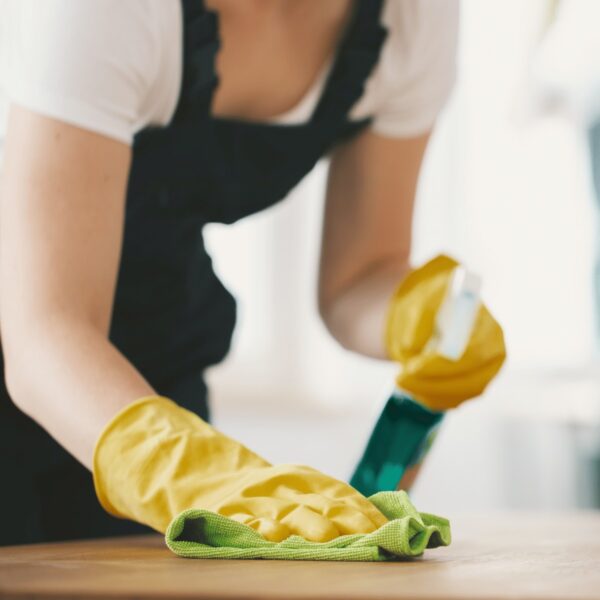
A thorough bathroom clean removes food sources and disrupts silverfish habitats. Pay particular attention to:
- Behind and under the toilet
- Inside bathroom cupboards and under the sink
- Around the bath panel and shower tray
- Any stored paper, cardboard, or fabric items in the bathroom
If you want a professional deep clean to reset your bathroom and remove the conditions silverfish thrive in, our specialised cleaning and home cleaning services in Cambridge can help.
When to Call Pest Control
In most cases, silverfish can be managed with the steps above. However, if you have a large infestation that is spreading beyond the bathroom, or if the problem persists despite your efforts, it is worth calling a professional pest controller. Signs that the infestation is significant include:
- Seeing silverfish during the day (they are normally nocturnal)
- Finding damage to wallpaper, books, or stored items
- Spotting silverfish in multiple rooms
A pest control professional can identify the extent of the infestation and apply targeted treatments to resolve it quickly.
Keeping Silverfish Away Long-Term
Once you have dealt with the immediate problem, a few ongoing habits will keep silverfish from returning:
- Maintain good bathroom ventilation at all times.
- Store toiletries and bathroom products in sealed containers rather than leaving them open.
- Keep the bathroom clean and dry, particularly around the base of the toilet and under the sink.
- Refresh natural repellents (cedar, cloves) every few months.
- Check periodically for new cracks or gaps that need sealing.
Silverfish are persistent, but with consistent effort they are very manageable. A combination of moisture control, natural deterrents, and good hygiene is usually all it takes to reclaim your bathroom.