







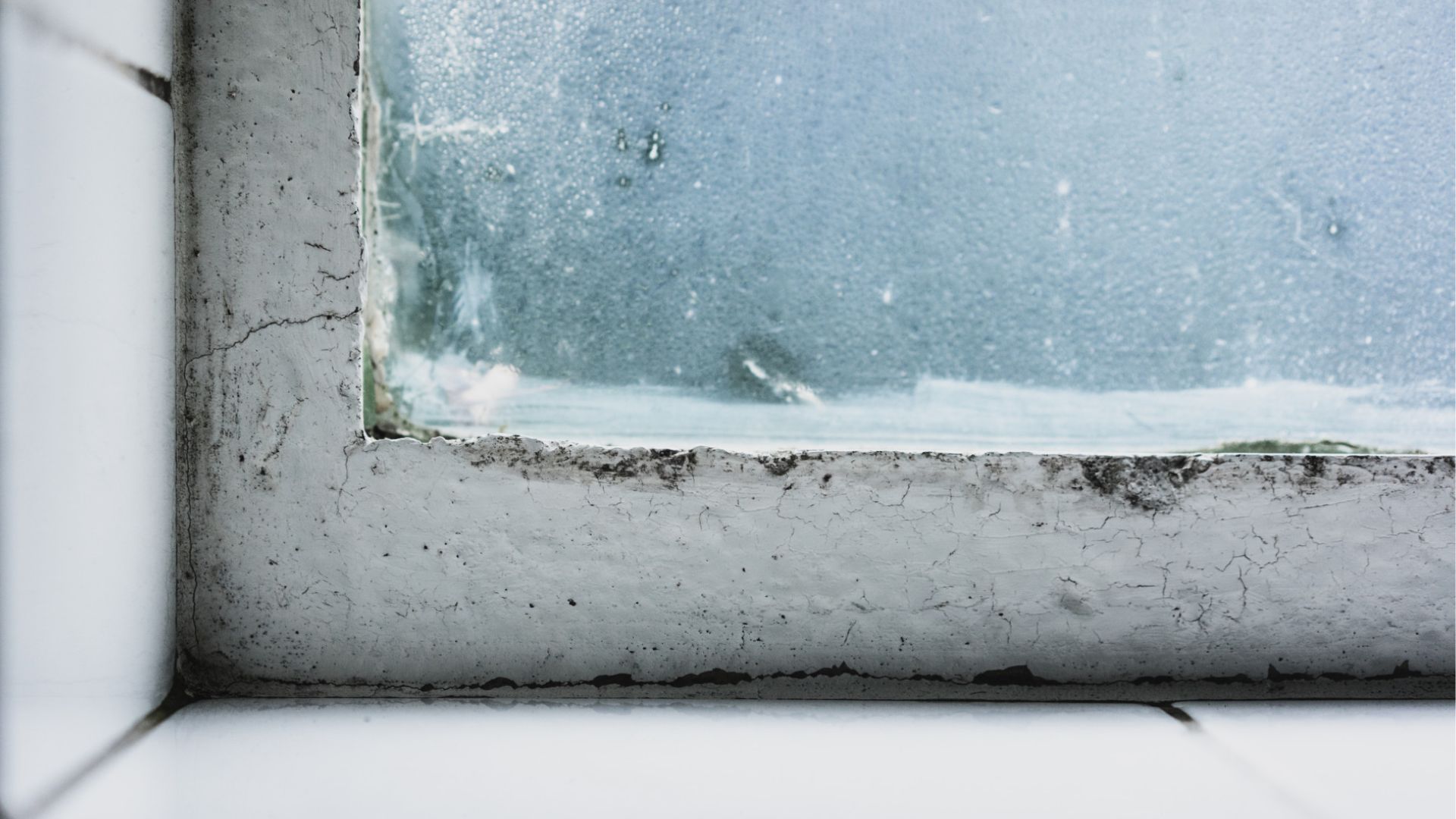
Black mould on window sills is a common problem in UK homes, particularly during autumn and winter when condensation is at its worst. It’s unsightly, it can damage paintwork and wood, and — more importantly — it poses genuine health risks if left untreated. Here’s how to get rid of black mould on window sills safely and effectively.
What Causes Black Mould on Window Sills?
Black mould (most commonly Cladosporium or Aspergillus species) thrives in damp, poorly ventilated environments. Window sills are a prime location because:
- Condensation collects on cold glass and runs down onto the sill
- Window sills are often in corners or against walls where airflow is limited
- Paint and wood are porous, giving mould spores somewhere to anchor
- Curtains and blinds can trap moisture against the sill
The underlying cause is almost always excess moisture in the air — from cooking, showering, breathing, or drying clothes indoors — combined with inadequate ventilation.
Health Risks of Black Mould
It’s worth taking black mould seriously. Prolonged exposure to mould spores can cause or worsen:
- Respiratory problems, including asthma and bronchitis
- Allergic reactions — sneezing, runny nose, itchy eyes
- Skin irritation
- Headaches and fatigue
Children, the elderly, and anyone with a compromised immune system or existing respiratory condition are particularly vulnerable. Don’t ignore it.
Safety Precautions Before You Start
Before tackling mould, take a few basic precautions:
- Wear rubber gloves to protect your skin from cleaning products and mould spores
- Wear a face mask — ideally an FFP2 or FFP3 respirator — to avoid inhaling spores
- Open windows to ventilate the room whilst you work
- Protect soft furnishings — lay down old towels or sheets to catch any drips from cleaning solutions
- Don’t dry-brush mould — this releases spores into the air. Always dampen the area first
Cleaning Solutions That Work
White Vinegar
White vinegar is mildly acidic and effective at killing many types of mould. It’s a good first option for light to moderate mould on painted or UPVC window sills.
- Spray undiluted white vinegar directly onto the mouldy area
- Leave for at least 30 minutes — an hour is better for stubborn patches
- Scrub with a stiff brush or old toothbrush
- Wipe clean with a damp cloth and dry thoroughly
Bleach Solution
Bleach is more powerful and effective at killing mould on non-porous surfaces like UPVC or painted sills. Use with caution.
- Mix 1 part bleach with 4 parts water in a spray bottle
- Apply to the affected area and leave for 10–15 minutes
- Scrub and wipe clean
- Rinse with clean water and dry
Do not use bleach on wooden window sills — it can damage and discolour the wood. Use a specialist wood-safe mould remover instead.
Specialist Mould Sprays
Products like HG Mould Spray or Dettol Mould and Mildew Remover are formulated specifically for this purpose and are often more effective than DIY solutions on stubborn or recurring mould. Follow the manufacturer’s instructions carefully.
Treating Wooden Window Sills
Wooden sills require a gentler approach. Bleach can strip the finish and damage the wood grain. Instead:
- Use a wood-safe mould remover or a solution of tea tree oil diluted in water (1 teaspoon per cup)
- Scrub gently with a soft brush
- Once clean and dry, consider applying a mould-resistant paint or wood sealant to prevent recurrence
Preventing Black Mould from Returning
Cleaning the mould is only half the job. Without addressing the underlying moisture problem, it will come back.
- Improve ventilation — open windows daily, use extractor fans in kitchens and bathrooms
- Wipe down window sills regularly — a quick daily wipe removes condensation before it can feed mould
- Use a dehumidifier in rooms prone to condensation
- Apply anti-mould paint to window sills and surrounding walls — it contains fungicide that inhibits mould growth
- Keep curtains open during the day to allow air to circulate around the window
When to Call Professionals
If mould has spread beyond the window sill to the surrounding walls, ceiling, or soft furnishings, or if it keeps returning despite your best efforts, it’s time to get professional help.
Persistent mould can indicate a deeper damp problem — such as a failed damp-proof course, poor insulation, or structural issues — that requires expert assessment.
AKTE’s specialised cleaning services covers mould remediation and treatment, and our home cleaning team can help restore affected rooms as part of a thorough deep clean. Don’t let mould take hold — the sooner it’s dealt with, the easier and cheaper it is to resolve.
Summary
Black mould on window sills is a manageable problem when caught early. Use white vinegar for light mould, a diluted bleach solution for more stubborn patches on UPVC or painted surfaces, and a specialist product for wooden sills. Always protect yourself with gloves and a mask, ventilate the room, and address the root cause — excess moisture — to stop it coming back.