






Hardwood floors are a beautiful investment that bring warmth and elegance to any home. But when it comes to cleaning them, many homeowners unknowingly make errors that shorten their lifespan and dull their finish. In this guide, we’ll cover the most common mistakes when cleaning hardwood floors, what they do to your flooring, and the best alternatives to keep your wood looking stunning for years to come.
17 Common Mistakes When Cleaning Hardwood Floors
Below are the most frequent hardwood floor cleaning errors and how to avoid them for effective wood floor maintenance, presented in detailed paragraphs for clarity.
1. Using Too Much Water
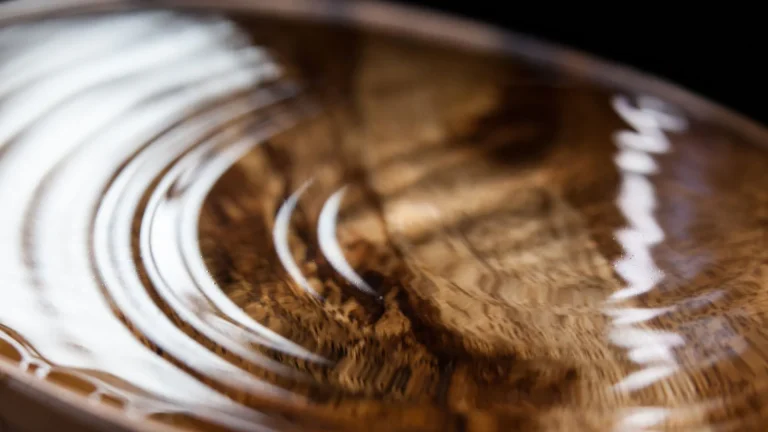
One of the biggest mistakes people make is mopping hardwood floors with a soaking-wet mop. Wood is porous and will absorb excess moisture, which can cause swelling, warping, or even mould growth underneath the boards. Instead, always use a lightly damp mop or microfibre cloth so that water never has the chance to seep into the wood.
2. Choosing Harsh Cleaning Products
Many assume that stronger cleaners equal better results, but chemicals like bleach, ammonia, or abrasive solutions strip away protective finishes. Over time, this leaves your hardwood floors dull, brittle, and prone to damage. To keep them safe, always use a pH-neutral hardwood floor cleaner recommended by flooring specialists.
3. Neglecting Regular Sweeping
Failing to regularly sweep or vacuum hardwood floors allows dust and grit to accumulate, acting like sandpaper that scratches the surface. Over time, this wears down the finish, diminishing the floor’s shine and creating visible damage. To avoid this, sweep with a soft-bristle broom or vacuum using a hardwood-safe setting at least weekly, or daily in high-traffic areas. In dusty UK cities like London, regular sweeping is especially important to prevent debris buildup that can harm your floors.
4. Using the Wrong Mop
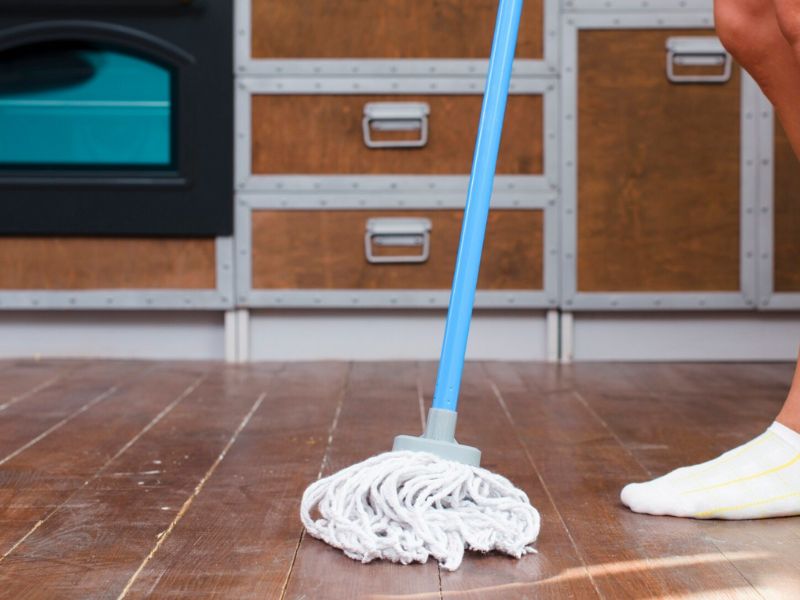
Choosing an inappropriate mop, such as a rough string mop or abrasive tool, can scratch hardwood surfaces or leave behind excess water. These tools damage the finish and increase the risk of water-related issues like warping. Instead, use a flat microfibre mop or a spray mop designed specifically for hardwood floors, which ensures gentle cleaning and minimal moisture.
5. Overusing Oil-Based or Wax Cleaners
It might be tempting to polish your floors with oil soaps or wax for extra shine, but over time, they build up a greasy residue. This makes the surface sticky and can even make refinishing your floors more difficult. Instead, use professional wood floor polishes only sparingly when truly needed.
6. Skipping Protective Pads and Rugs
Dragging chairs, moving furniture, or simply walking in high-traffic areas without protection can leave noticeable scratches. Over time, these marks accumulate and make the floor look tired and worn. Felt pads under furniture legs and strategically placed rugs are simple but effective ways to protect your investment.
7. Forgetting Routine Maintenance
Hardwood floors aren’t just about daily cleaning, they need regular long-term care too. Skipping maintenance like polishing or refinishing allows minor damage to worsen. Scheduling professional deep cleaning or refinishing every few years ensures your floors last for decades.
8. Cleaning with Vinegar or Lemon Juice
Natural cleaning solutions like vinegar or lemon juice are often recommended online, but they are highly acidic. This acidity can slowly strip away the finish, leaving floors dull and vulnerable to further damage. Instead, always use cleaners that are specially formulated for wood flooring.
9. Leaving Spills Unattended
Even small spills can cause big problems on hardwood floors if left to sit. Liquids seep into the boards, leading to stains, swelling, or discolouration. The best habit is to wipe spills immediately with a soft, dry cloth before any damage occurs.
10. Steam Mopping Hardwood Floors
Steam mops might work wonders on tiles, but they are disastrous for hardwood. The combination of heat and moisture drives water deep into the wood, causing expansion, cracking, and long-term warping. Avoid steam mopping entirely and stick to gentle, low-moisture cleaning methods.
11. Using Too Much Cleaner
Applying more cleaner than necessary doesn’t make floors cleaner, in fact, it does the opposite. Overuse leaves behind a sticky film that attracts even more dirt and dust. Follow the manufacturer’s instructions carefully and use only the recommended amount.
12. Dragging Furniture Across the Floor
When you drag a sofa, chair, or table across your hardwood floor, it often leaves deep scratches behind. These scratches are not only unsightly but can also weaken the protective finish. Always lift furniture when moving it or use sliders to avoid direct contact with the wood.
13. Wearing Shoes Indoors
High heels, trainers with grit, or even work boots can cause scuffs and dents on your hardwood. Over time, this everyday wear makes the surface uneven and unattractive. Adopting a no-shoes policy indoors is a simple yet effective way to preserve your flooring.
14. Not Controlling Indoor Humidity
Wood is highly sensitive to changes in humidity. Too much moisture causes swelling, while dry air makes boards shrink and create gaps. Keeping your home’s humidity level between 35–55% helps prevent seasonal damage to hardwood floors.
15. Using Abrasive Scrub Pads
It may feel satisfying to scrub stains with steel wool or harsh pads, but doing so leaves permanent scratches on the finish. Even minor scuffs weaken the floor’s protective layer. Always use a soft cloth, sponge, or microfibre pad for spot cleaning.
16. Neglecting Sunlight Protection
Direct sunlight through windows can fade and discolour wood floors over time, especially in areas that are constantly exposed. This creates uneven tones across the room. Curtains, blinds, or UV-protective window films are simple solutions that protect your flooring from sun damage.
17. Skipping Regular Dusting of Hard-to-Reach Areas
It’s easy to forget corners, under furniture, or along skirting boards. However, dust build-up in these areas eventually spreads across the room and scratches the floor when disturbed. Weekly dusting with a microfibre duster keeps even hidden areas clean and safe.
Avoiding these 17 common mistakes when cleaning hardwood floors will help protect your home’s most elegant feature. With proper care, using the right products, tools, and cleaning habits, you can preserve the natural beauty of hardwood floors for decades.
Even if you avoid these common mistakes when cleaning hardwood floors, keeping them spotless and damage-free can still be a challenge, especially in busy households. Sometimes, no matter how careful you are, dust build-up, stubborn stains, or hidden grime require a professional touch.
That’s where AKTE Cleaning comes in. Our professional house cleaning services in Cambridge are designed to give your floors (and your entire home) the care they truly deserve. With trained experts, safe cleaning products, and proven techniques, we’ll help you protect your hardwood flooring so it stays beautiful for years to come.