







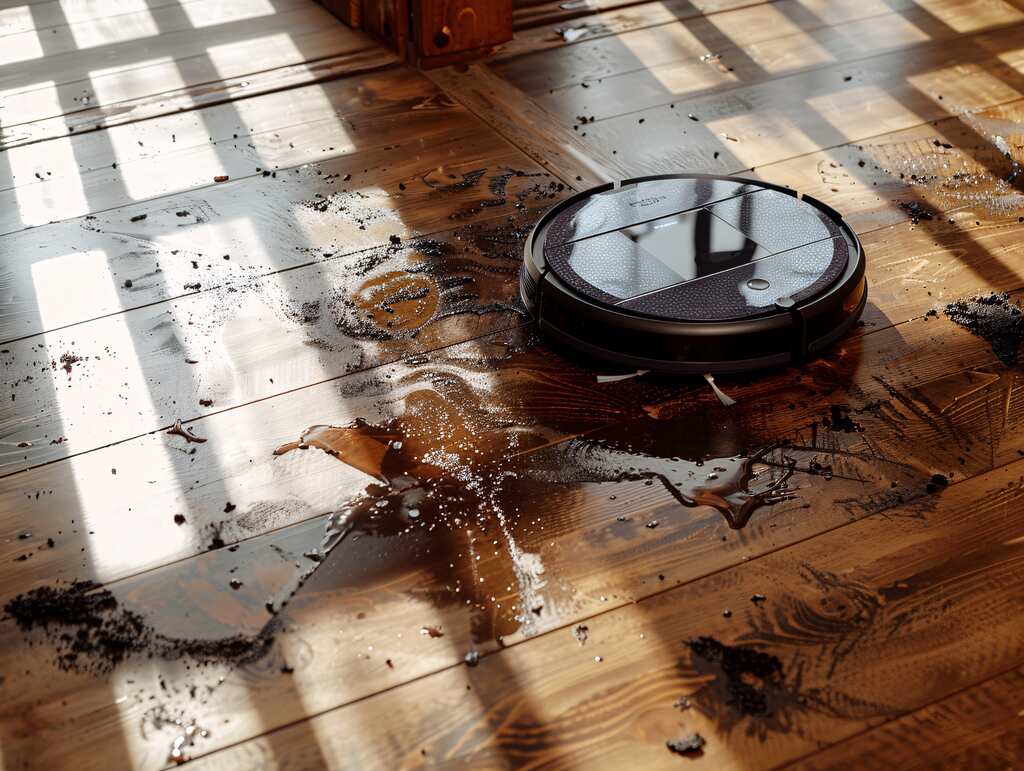
Black stains on hardwood floors are a common issue, but they don’t have to be permanent. If you’re wondering how to remove black stains from hardwood floors, the right techniques can help restore the beauty of your flooring. These stains can be caused by various factors, including water damage, pet accidents, or even mold, and understanding these causes is the first step in effective cleaning.
When dealing with black stains, it’s crucial to choose the proper cleaning methods that won’t damage your floors. This article will cover practical and safe techniques, as well as tips on cleaning for hardwood floors, so your floors look their best. Whether you’re tackling a small mark or a larger stain, these tips will help you maintain the integrity of your hardwood floors.
What Causes Black Stains on Hardwood Floors?
Understanding the root cause of black stains is crucial before attempting any cleaning method. The following are common causes of black stains on timber flooring:
- Mould or Mildew Growth: Damp environments can foster mould or mildew, which contribute to unsightly dark marks on the surface.
- Moisture Exposure: Prolonged contact with water from spills, leaks, or high humidity can trigger oxidation or tannin reactions in the wood, leading to dark discolouration.
- Pet Accidents: Urine from pets can seep deep into the wood grain, causing blackened areas that are particularly difficult to remove.
- Chemical stains: Chemical cleaners, when used improperly, can leave black stains on hardwood floors. Harsh substances like bleach or ammonia can strip the finish, creating unsightly marks.
Material You will Need to Remove Black Stains from Hardwood Floors
To tackle these issues effectively, gather some basic supplies. For most DIY methods, you’ll require:
- Hydrogen peroxide (3% solution)
- White vinegar
- Baking soda
- Soft cloths or microfibre rags
- A spray bottle
- Protective gloves
- Wood bleach or oxalic acid (for severe cases)
- Fine-grit sandpaper (if refinishing is needed)
- A vacuum or soft brush for initial cleaning
Always test any solution on an inconspicuous area first to avoid discolouration or further damage to your hardwood.
How to Removing Dark Stains from Wooden Floors
When it comes to how to remove black stains from hardwood floors, start with the gentlest methods and progress to more intensive ones if necessary. Here’s a detailed walkthrough.
a. Hydrogen Peroxide for Moisture-Related Stains
Hydrogen peroxide is a popular choice for eliminating black marks on hardwood due to its bleaching properties. It’s especially effective against pet urine stains or water-induced darkening. This technique often works wonders for surface-level issues, restoring the natural hue of your timber flooring without harsh chemicals.
- Begin by cleaning the affected area. Vacuum or wipe away any loose dirt to prepare the surface.
- Soak a clean cloth in hydrogen peroxide and wring it out slightly so it’s damp but not dripping.
- Place the cloth over the stain and let it sit for several hours, or overnight for deeper penetration. Cover with plastic wrap to prevent evaporation.
- Remove the cloth and wipe the area with a damp rag. If the stain persists, repeat the process.
- Once the dark spot fades, neutralise the area with a mixture of equal parts water and white vinegar, then dry thoroughly.
b. Baking Soda and Vinegar Paste
For tougher blackened areas, a natural paste can provide the abrasion needed for effective stain treatment. This method is ideal for hardwood floor care routines, as it uses household items and avoids damaging the finish.
- Mix baking soda with a small amount of water to form a thick paste.
- Apply the paste directly to the stain using a soft cloth or sponge.
- Gently rub in circular motions for a few minutes, allowing the paste to lift the discolouration.
- Wipe away the residue with a vinegar-water solution (1:1 ratio) to neutralise and deodorise.
- Dry the floor completely with a clean towel.
c. Oxalic Acid or Wood Bleach for Deep Penetration
If the above doesn’t suffice, turn to oxalic acid, which is excellent for removing mineral deposits or aged water stains. Remember, for extensive damage, sanding and refinishing the entire section might be necessary to blend seamlessly.
- Dissolve oxalic acid crystals in hot water according to the package instructions (wear gloves and ensure good ventilation).
- Apply the solution to the stain with a brush or cloth.
- Allow it to sit for 10-15 minutes, then scrub lightly.
- Rinse with clean water and neutralise with a baking soda solution.
- Dry and assess; sanding may be required for very deep stains.
How to Prevent Black Stains on Hardwood Floors
Preventing black stains is far easier than treating them. Maintain humidity levels between 40-60% to avoid moisture buildup. Use mats at entrances to catch water and dirt. For pet owners, promptly clean accidents with enzymatic cleaners designed for wood. Regular polishing and sealing can also protect against penetration, ensuring your floors remain pristine.
Additionally, avoid harsh cleaners; opt for pH-neutral products to preserve the wood’s integrity. Implementing these wood restoration habits will minimise future issues.
Removing black stains from hardwood floors can be tricky, but with the right approach, it’s entirely possible to restore your floors to their original beauty. Knowing how to remove black stains from hardwood floors involves understanding the cause and choosing the right cleaning methods.
Whether the stain is due to water damage, mould, or other factors, timely action is essential to prevent further damage and maintain the quality of your flooring. However, if the stain persists or you’re unsure of the best methods, it’s wise to seek professional help.
AKTE Cleaning offers expert residential cleaning services Cambridge to ensure your hardwood floors are deeply cleaned and thoroughly restored. Instead of attempting to clean it yourself, contact AKTE Cleaning at 01223 751 544 for a comprehensive deep clean, ensuring the longevity and beauty of your floors.
Read also: