





Accidentally spilling dish soap on your carpet can turn into a sticky situation. Dishwashing liquid, designed to tackle grease and create suds, can cling to carpet fibers, leaving a residue that attracts dirt and grime if not addressed promptly. This can make your carpet appear dull, stained, or even discolored over time. Whether you’re dealing with a fresh spill or a dried dish soap stain, this guide provides a step-by-step approach to effectively remove dish soap stains from carpets using simple household methods and tools.
In this article, we’ll cover how to clean dish soap from carpets, prevent residue buildup, and restore your carpet’s pristine condition. We’ll also include tips for tackling stubborn stains and maintaining your carpet’s appearance.
How to Remove Dish Soap Stain from Carpets
Follow these steps to effectively clean dish soap stains from your carpet and prevent lingering residue:
1. Blot the Spill Immediately
As soon as the dish soap spills, grab a clean, dry cloth or paper towel to absorb as much of the liquid as possible. Blotting lifts the soap off the surface before it settles into the carpet, reducing the spread of the stain. Avoid rubbing or scrubbing, as this pushes the soap deeper into the carpet fibers, making it harder to remove.
2. Prepare a Rinsing Solution
Create a cleaning solution to break down the soap residue. Mix 1 cup of warm water with 1 tablespoon of white vinegar. White vinegar is a natural degreaser that neutralizes the soap’s stickiness and prevents excessive foaming, making it easier to clean dish soap from carpets. Alternatively, you can add a few drops of mild dish soap (ironic, right?) to the mix for extra cleaning power, but ensure it’s a minimal amount to avoid creating more suds.
3. Rinse the Stain
This method work from the outside of the stain toward the center to avoid spreading it. Dip a clean cloth or sponge into the vinegar-water solution and gently blot the affected area. Continue blotting until the soap begins to lift from the carpet fibers. Replace the solution frequently to prevent redistributing the soap. For deeper penetration, lightly press the cloth into the carpet to ensure the solution reaches the lower fibers.
4. Use a Wet/Dry Vacuum (Optional but Highly Effective)
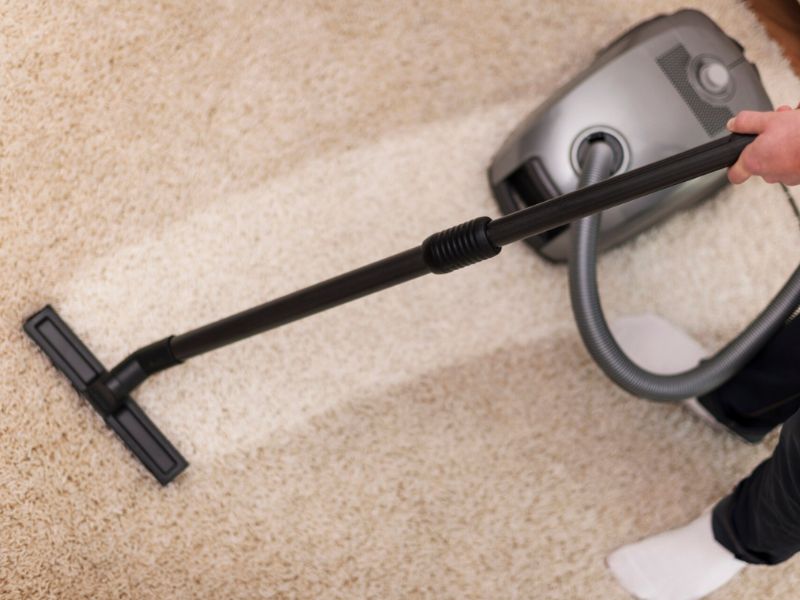
If you own a wet/dry vacuum, use it to extract the soapy water and cleaning solution from the carpet. This step ensures thorough removal of the dish soap residue, preventing it from lingering in the carpet’s underlay. A wet vacuum removes liquid deep within the carpet, reducing the risk of mold or mildew caused by trapped moisture. If you don’t have a wet/dry vacuum, continue blotting with a clean cloth until no more soap transfers to the cloth.
5. Dry the Carpet Thoroughly
After rinsing, dry the area completely to prevent mold growth or water damage. Pat the area with a dry, absorbent towel to soak up excess moisture. Place a fan near the spot or open windows to improve airflow and speed up drying. Avoid walking on the damp area until it’s fully dry. Ensure the carpet is completely dry within 24 hours to avoid mold or mildew, especially in humid environments.
Tips for Removing Stubborn Dish Soap Stains
For persistent dish soap stains or larger spills, try these additional methods to restore your carpet:
- Baking Soda Trick: After rinsing, sprinkle baking soda over the damp area to absorb residual moisture and neutralize odors. Let it sit for 4-6 hours (or overnight) before vacuuming it up. Baking soda is a natural deodorizer and helps lift any remaining soap residue.
- Avoid Over-Wetting: Using too much water during rinsing can soak the carpet’s underlay, leading to longer drying times and potential mold growth. Use minimal liquid and rely on blotting or vacuuming to remove moisture.
- Hydrogen Peroxide for Tough Stains: For white or light-colored carpets, apply a small amount of 3% hydrogen peroxide to the stain after rinsing. Let it sit for 5 minutes, then blot with a clean cloth. Test on an inconspicuous area first to ensure it doesn’t bleach your carpet.
- Professional Carpet Cleaning: If the dish soap stain covers a large area or persists after home treatments, consider hiring a professional carpet cleaner. They use specialized equipment to perform a deep rinse and extraction, ensuring no residue remains.
Common Mistakes to Avoid
When tackling dish soap stains, steer clear of these pitfalls:
- Rubbing the Stain: Rubbing pushes the soap deeper into the carpet, making it harder to clean.
- Using Hot Water: Hot water can set the stain or damage delicate carpet fibers. Stick to warm or lukewarm water.
- Skipping the Drying Step: Leaving the carpet damp can lead to mold, mildew, or a musty odor.
Removing dish soap stains from carpets doesn’t have to be a daunting task. With simple household items like white vinegar, baking soda, and a wet/dry vacuum, you can effectively clean dish soap from carpets and restore their appearance. By acting quickly, using the right techniques, and avoiding common mistakes, you’ll have your carpet looking as good as new in no time. For stubborn or large-scale stains, don’t hesitate to call a professional carpet cleaner for expert help.
By following this guide, you’ll not only know how to get dish soap stain from carpets but also how to maintain your carpet’s beauty and longevity. If you’re based in Cambridge and want a hassle-free, professional solution, consider using AKTE Carpet Cleaning Services Cambridge. Our expert team uses proven techniques and equipment to tackle even the toughest stains while helping extend the life of your carpet. By choosing AKTE Cleaning, you’ll not only restore your carpet’s beauty but also keep your home fresh, clean, and welcoming.